
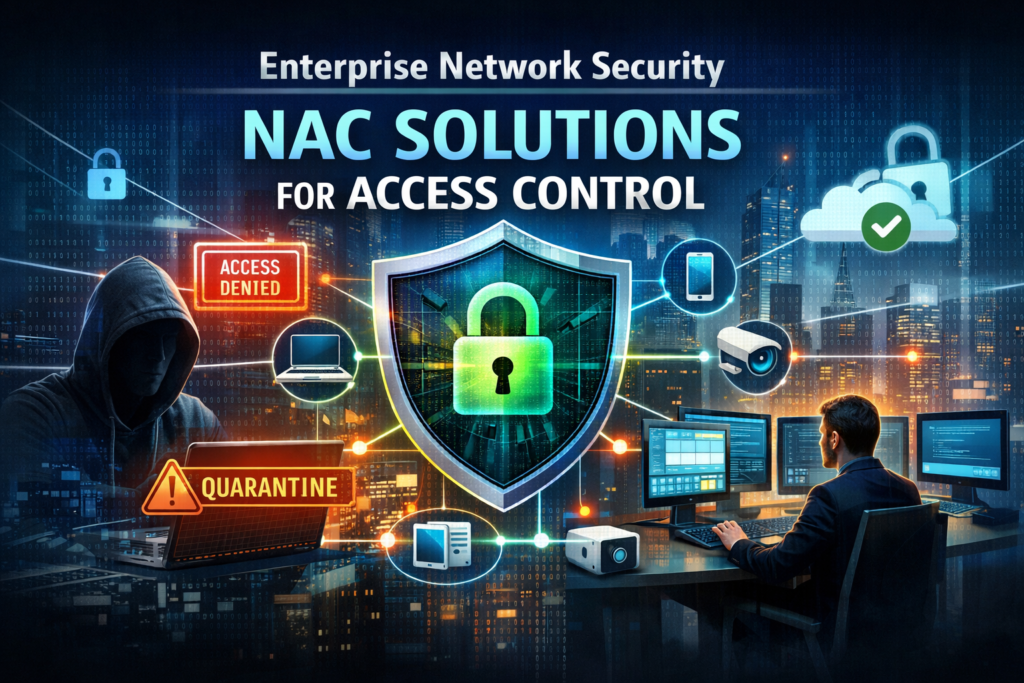
Network security is a critical component of every enterprise’s IT infrastructure, with increasing threats from cyberattacks, data breaches, and unauthorized access. One of the most effective ways to address these challenges is through Network Access Control (NAC) solutions. NAC solutions are a proactive security measure that enforces policies for devices attempting to connect to a network, ensuring that only authorized and compliant devices are granted access. This article explores how top NAC solutions for enterprises enhance access control and contribute to overall network security.
The Need for Effective Access Control in Modern Enterprises
In the digital age, enterprises face a rapidly evolving landscape of cyber threats. With the growing number of connected devices, cloud-based applications, and remote workforces, securing access to the network has become increasingly difficult. A major vulnerability for businesses lies in controlling who and what has access to the network. Without effective access control mechanisms in place, unauthorized users or compromised devices can gain access to sensitive data, potentially causing severe security breaches.
Moreover, organizations today have a diverse set of devices accessing their networks. These range from company-issued laptops and mobile phones to personal devices brought in by employees (BYOD). With varying operating systems, security configurations, and device types, it becomes crucial to implement a system that can evaluate and manage the security posture of every device connecting to the network. This is where NAC solutions come into play.
What Is NAC and How Does It Work?
Network Access Control (NAC) refers to a security solution designed to manage and enforce access policies on devices attempting to connect to a network. At its core, NAC solutions ensure that devices meet specific security standards before they are allowed to access network resources. These solutions typically evaluate devices based on their compliance with a set of predefined policies, which may include checking for updated antivirus software, firewall settings, encryption protocols, and more.
When a device attempts to connect to the network, the NAC system checks its security posture. If the device is compliant, access is granted; if not, the device may be denied access or placed into a quarantine network where it can be remediated before being allowed to connect to the main network. This dynamic evaluation and enforcement process helps ensure that only secure and authorized devices can access sensitive enterprise resources.
Why NAC Solutions Are Essential for Enterprises
In large organizations, managing access control manually can become a complex and error-prone task. NAC solutions simplify this process by automating the enforcement of access control policies. They help protect the network from both external and internal threats by reducing the risk of unauthorized access. Furthermore, NAC solutions can provide valuable insight into network usage, identifying devices that may be vulnerable to exploitation or those that are out of compliance with security policies.
With the rise of the Internet of Things (IoT) and Bring Your Own Device (BYOD) policies, the enterprise network is no longer a static environment. The proliferation of devices accessing the network presents a unique challenge to IT departments. As a result, many enterprises turn to NAC solutions to improve access control, ensuring that only devices that meet security requirements are allowed to connect.
Key Features of Top NAC Solutions for Enterprises
While different NAC solutions may offer varying features, most top NAC solutions for enterprises share several key characteristics that make them effective in improving access control:
- Device Profiling and Authentication
The ability to identify and authenticate devices attempting to access the network is one of the primary functions of NAC solutions. The device profiling feature automatically classifies and profiles devices based on attributes such as operating system, software version, and security posture. This allows the NAC system to assess whether the device complies with security policies before granting access. - Policy Enforcement
NAC solutions enforce granular access control policies, ensuring that only compliant devices can connect to the network. Policies may be based on factors such as the device’s security status, user credentials, location, and time of access. This enables organizations to apply different levels of access based on the user’s role and the device’s security health. - Guest and BYOD Management
Many enterprises allow guests and employees to connect personal devices to the network, which creates security challenges. Top NAC solutions for enterprises offer specific features for guest network management and BYOD support. These solutions allow organizations to define specific access rules for guests and personal devices, preventing unauthorized access to sensitive resources while ensuring a smooth user experience. - Visibility and Monitoring
Comprehensive visibility into the devices connecting to the network is essential for identifying potential security risks. NAC solutions provide real-time monitoring and visibility into network activity, helping IT teams quickly detect and respond to any unusual behavior or unauthorized access attempts. - Integration with Other Security Solutions
Top NAC solutions integrate with other security tools, such as firewalls, intrusion detection systems (IDS), and endpoint protection platforms. This interoperability enhances the overall security posture of the network by ensuring that the latest security intelligence informs access control decisions.
Benefits of Implementing NAC in an Enterprise Environment
The adoption of NAC solutions brings a host of benefits to organizations, particularly in terms of improved access control and network security.
- Enhanced Security Posture
By ensuring that only authorized and compliant devices can access the network, NAC solutions significantly reduce the risk of data breaches, malware infections, and unauthorized access. Devices that do not meet security requirements can be automatically quarantined, preventing them from interacting with critical systems and data. - Reduced Risk of Insider Threats
Insider threats, whether intentional or accidental, can be difficult to detect and mitigate. NAC solutions help limit the risk of insider threats by providing fine-grained control over who can access what resources. By restricting access to sensitive data based on user roles, device compliance, and other factors, NAC solutions help minimize the impact of internal threats. - Streamlined Compliance
Enterprises in regulated industries, such as finance, healthcare, and government, are subject to stringent compliance requirements. NAC solutions can help organizations meet regulatory requirements by ensuring that devices connecting to the network meet specific security standards. Additionally, NAC systems can generate detailed logs and reports that can be used for auditing and compliance purposes. - Operational Efficiency
Automating the access control process allows IT teams to focus on more strategic tasks rather than manually managing device access. NAC solutions can help reduce the administrative burden of managing network access and improve the overall efficiency of security operations. - Support for Remote Work
With the rise of remote work and mobile devices, managing access to the network has become more complex. NAC solutions offer support for remote employees by evaluating the security posture of devices connecting from outside the corporate network. This ensures that remote workers can access company resources without compromising security.
Choosing the Right NAC Solution for Your Enterprise
When selecting a NAC solution for your organization, it is essential to consider the size, complexity, and specific security needs of your network. Top NAC solutions for enterprises vary in terms of deployment models (on-premises, cloud-based, or hybrid), scalability, ease of integration with existing security tools, and the level of granularity they offer in access control policies.
Enterprises should look for NAC solutions that provide comprehensive visibility into network activity, seamless integration with other security technologies, and the flexibility to enforce custom policies. Additionally, support for mobile devices, guest management, and remote access control is increasingly important as the workforce becomes more distributed.
“Learn how custom MVP software development helps startups validate ideas faster, reduce development risks, and launch products efficiently in 2026.”
Frequently Asked Questions (FAQs)
What is NAC in enterprise network security?
Network Access Control (NAC) is a security solution that ensures only authorized and secure devices can connect to a company’s network.
Why do enterprises need NAC solutions?
NAC solutions help protect sensitive data, prevent unauthorized access, and ensure all devices on the network meet security standards.
How does NAC improve access control?
NAC checks each device’s security status before granting access, allowing only compliant devices to connect and blocking risky ones.
Can NAC solutions support remote employees?
Yes, NAC evaluates devices connecting from outside the office, ensuring remote workers have access to resources securely without compromising network safety.
What devices can NAC manage?
NAC can manage laptops, desktops, mobile phones, IoT devices, and personal devices brought in by employees (BYOD).
What is device profiling in NAC?
Device profiling identifies the type, operating system, and security settings of devices, helping NAC decide whether to allow or restrict access.
How does NAC help with guest network access?
NAC allows companies to create separate access rules for guests, keeping sensitive data safe while giving visitors limited network access.
Does NAC integrate with other security tools?
Yes, top NAC solutions work with firewalls, endpoint protection, and intrusion detection systems for stronger overall network security.
Can NAC prevent insider threats?
Yes, NAC limits access based on user roles and device compliance, reducing the chances of accidental or intentional misuse of sensitive data.
Is NAC useful for BYOD policies?
Absolutely. NAC ensures personal devices meet security requirements before connecting, making BYOD safe for enterprises.
How does NAC support compliance requirements?
NAC generates detailed logs and reports, helping companies meet regulations in finance, healthcare, and other industries.
What are the main features of NAC solutions?
Key features include device profiling, policy enforcement, guest/BYOD management, real-time monitoring, and integration with security tools.
Can NAC quarantine unsafe devices?
Yes, if a device fails security checks, NAC can place it in a quarantine network until it is fixed, preventing risks to the main network.
How does NAC improve operational efficiency?
By automating access control, NAC reduces manual work for IT teams, allowing them to focus on more important security tasks.
How to choose the right NAC solution for my enterprise?
Look for solutions that support your network size, integrate with existing security tools, manage remote devices, and offer strong monitoring and policy control.
Conclusion
Network Access Control is an essential component of modern enterprise security strategies. By improving access control and ensuring that only authorized and compliant devices can connect to the network, NAC solutions play a crucial role in protecting sensitive data and resources from both internal and external threats. As the threat landscape continues to evolve, investing in top NAC solutions for enterprises will help organizations stay ahead of security risks and maintain a robust and secure network infrastructure.
Disclaimer:
“The information in this article is for educational purposes only. It provides general guidance on NAC solutions and network security. Readers should not consider it personal advice and should assess risks and consult qualified IT professionals before implementation.”