
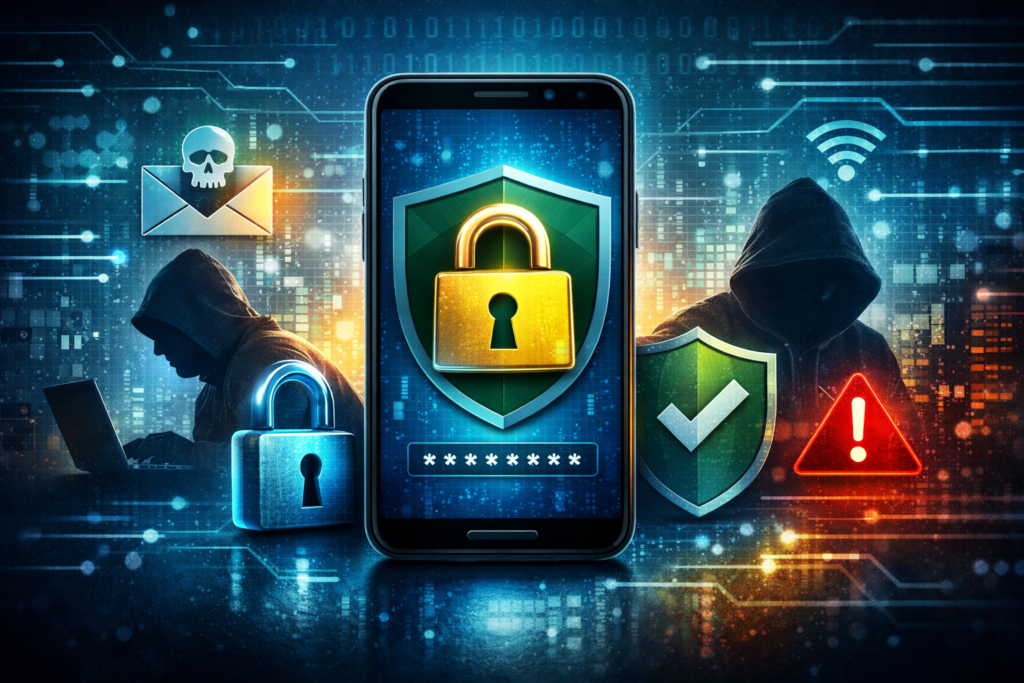
In today’s fast-paced digital landscape, mobile messaging Security has become a lifeline for communication. Whether you’re exchanging pleasantries with friends or discussing business strategies, the convenience of sending a quick message is unmatched. But as our reliance on these apps grows, so too do security concerns. The rise of mobile messaging brings with it potential threats that can compromise your privacy and sensitive information.
Navigating this digital world requires vigilance and awareness. With hackers lurking around every corner and personal data at risk, understanding how to secure messaging on mobile devices is essential now more than ever. Let’s explore why safeguarding your conversations matters and uncover tips that will help you stay safe while enjoying the benefits of instant communication.
The Rise of Mobile Messaging
Mobile messaging has transformed the way we connect with one another. The days of lengthy emails and missed phone calls are fading fast. With just a few taps, you can reach anyone, anytime.
Apps like WhatsApp, Telegram, and Signal have skyrocketed in popularity. They offer instant communication that feels personal and immediate. This shift is particularly appealing to younger generations who prioritize quick interactions over traditional forms of communication.
Social media platforms have also integrated messaging features into their ecosystems. Facebook Messenger, Instagram Direct Messages, and Snapchat allow seamless conversations within familiar environments.
The convenience of mobile messaging isn’t just about speed; it’s about versatility, too. Users can share text, images, videos, and voice notes all within seconds. This rich tapestry of communication options keeps users engaged while redefining how relationships develop in our digital age.
Why Mobile Messaging Security is Important
Mobile messaging has become a primary mode of communication for millions. With its convenience comes the responsibility to safeguard personal information.
Every day, sensitive data is shared through these platforms—photos, financial details, and private conversations. This makes secure messaging on mobile crucial in protecting against unauthorized access and cyber threats.
Hackers are continuously evolving their tactics. They exploit weaknesses in apps or intercept data during transmission. The ramifications can be severe: identity theft, harassment, or even financial loss.
Moreover, many users underestimate the risks involved with seemingly innocuous messages. A casual chat could lead to unintended exposure if not properly secured.
Understanding the importance of mobile messaging security empowers individuals to take proactive measures in safeguarding their privacy. It’s about being aware of potential vulnerabilities and taking steps to mitigate them effectively.
Potential Risks and Threats in Mobile Messaging
Mobile messaging has transformed the way we communicate, but it comes with its own set of vulnerabilities. Hackers often exploit these channels to gain unauthorized access to personal information.
Phishing attacks are a common tactic. Users may receive messages that appear legitimate, tricking them into revealing sensitive data. This can lead to identity theft or financial loss.
Malware is another significant risk. Cybercriminals can insert malicious software through seemingly harmless links sent via messaging apps. Once installed, this malware can compromise devices and harvest private information.
Public Wi-Fi networks pose additional dangers. When using unsecured connections, your messages can be intercepted by anyone within range—making secure communication nearly impossible.
Understanding these threats is crucial for anyone who uses mobile messaging apps regularly. Being aware empowers users to take proactive steps toward safeguarding their digital conversations and personal data.
Tips for Staying Safe when Using Mobile Messaging Apps
To enhance your safety while using mobile messaging apps, start by enabling two-factor authentication. This adds an extra layer of security that can thwart unauthorized access.
Next, be cautious about what you share. Personal information, such as your location or sensitive data, should remain private. Remember, not everyone in your contact list needs to know everything.
Regularly update your apps and device software. These updates often contain important security patches that protect against vulnerabilities.
Avoid connecting to public Wi-Fi networks when sending messages. Instead, use a secure connection whenever possible to prevent interception by malicious actors.
Familiarize yourself with the app’s privacy settings. Adjust them according to your comfort level and ensure only trusted contacts can reach you easily.
Best Practices for Secure Mobile Messaging
When it comes to secure messaging on mobile, a few best practices can make all the difference. First, always use apps that offer end-to-end encryption. This ensures that only you and the recipient can read your messages.
Next, regularly update your messaging apps. Developers frequently release security patches to address vulnerabilities.
Turn on two-factor authentication where available. This adds an extra layer of protection by requiring a second form of verification before accessing your account.
Be cautious with links and attachments in conversations. Phishing attempts often disguise themselves as harmless content but may compromise your data.
Review privacy settings within each app periodically. Tailoring these settings helps control who can contact you and what information is shared publicly or privately.
The Role of End-to-End Encryption in Mobile Messaging Security
End-to-end encryption (E2EE) serves as a vital shield in mobile messaging security. It ensures that only the sender and recipient can read the messages exchanged between them. This technology encrypts the message on the sender’s device, keeping it secure as it travels through various servers.
Unlike traditional messaging systems, E2EE prevents third parties—including service providers—from accessing your conversations. This means even if data is intercepted during transmission, unauthorized viewers won’t decipher its content.
Many popular apps like Signal and WhatsApp incorporate this feature to safeguard user privacy. The implementation of E2EE fosters trust among users who value confidentiality in their communications.
As cyber threats become more prevalent, understanding and utilizing end-to-end encryption is essential for anyone seeking secure messaging on mobile devices. By adopting apps that prioritize this technology, you take proactive steps toward protecting your personal information from prying eyes.
“Fix connectivity issues with HSSGamepad quickly using this ultimate guide, covering simple troubleshooting steps, stable pairing methods, and performance tips.”
Frequently Asked Questions (FAQs)
What is mobile messaging security?
Mobile messaging security is about protecting your chats, files, and personal information on messaging apps from hackers or unauthorized access.
Why is mobile messaging security important?
It keeps your private messages, photos, and sensitive information safe, preventing identity theft, fraud, or data leaks.
Which messaging apps are the safest to use?
Apps like WhatsApp, Signal, and Telegram offer strong security features, including end-to-end encryption to protect your messages.
What is end-to-end encryption?
End-to-end encryption ensures that only you and the person you’re chatting with can read yourmessages even if the app provider cannot access them.
5. How can I protect my mobile messages from hackers?
Use strong passwords, enable two-factor authentication, avoid public Wi-Fi for sensitive chats, and keep your apps updated.
Can hackers read my messages if I use secure apps?
If your app uses proper end-to-end encryption and you follow safety tips, it is extremely hard for hackers to access your messages.
What is two-factor authentication, and why should I use it?
Two-factor authentication adds an extra step when logging in, like a code sent to your phone, making it harder for others to access your account.
Are public Wi-Fi networks safe for messaging?
No, public Wi-Fi is risky. Hackers can intercept messages, so it’s safer to use mobile data or a VPN for secure communication.
9. How often should I update my messaging apps?
Update your apps as soon as new updates are available. Updates fix security gaps and help protect your messages from threats.
Can malware infect messaging apps?
Yes, malware can be hidden in links or attachments. Avoid opening unknown links or files, even from people you know.
How can I control who can contact me on messaging apps?
Check your app’s privacy settings. You can block unknown contacts and control who sees your profile or sends you messages.
Is it safe to share sensitive information over mobile messaging?
Only share sensitive info on apps with strong encryption, and avoid sending passwords, financial details, or private documents unless necessary.
Can social media messaging be secure?
Yes, platforms like Facebook Messenger and Instagram offer encrypted chats, but always check settings and use official apps.
What are common mobile messaging threats?
Phishing messages, malware links, account hacking, and insecure public Wi-Fi are the most common threats to mobile messaging.
How can I make my messaging habits safer?
Use encrypted apps, enable two-factor authentication, avoid unknown links, update apps regularly, and control your privacy settings.
Conclusion: Taking Control of Your Digital Safety
As we navigate the complexities of an increasingly digital world, taking control of your mobile messaging security becomes essential. The rise of mobile messaging platforms has transformed how we communicate, but it also brings along various risks and threats that can compromise our privacy.
Understanding these potential vulnerabilities is the first step towards safeguarding your personal information. By staying informed about the different types of threats—such as phishing attacks, malware, and data breaches—you empower yourself to act proactively rather than reactively.
Implementing best practices for secure messaging on mobile not only protects you but also contributes to a more secure online community. Regularly updating apps, using strong passwords, and being cautious with public Wi-Fi are simple yet effective strategies that can make a significant difference.
The role of end-to-end encryption cannot be overstated in enhancing the security landscape. It ensures that only you and the recipient have access to the messages exchanged. Opting for apps that prioritize this feature is crucial for anyone serious about their digital safety.
Staying safe while using mobile messaging applications requires diligence and awareness. As users become more educated about secure messaging on mobile devices, they will be better equipped to defend against potential threats and protect their private conversations from prying eyes.
Your digital safety is in your hands; take charge by adopting these strategies today!
Disclaimer:
“The content in this article is for educational purposes only. It provides general information on mobile messaging security and does not offer personal advice. Readers should take caution and implement security measures responsibly, as risks may vary.”