
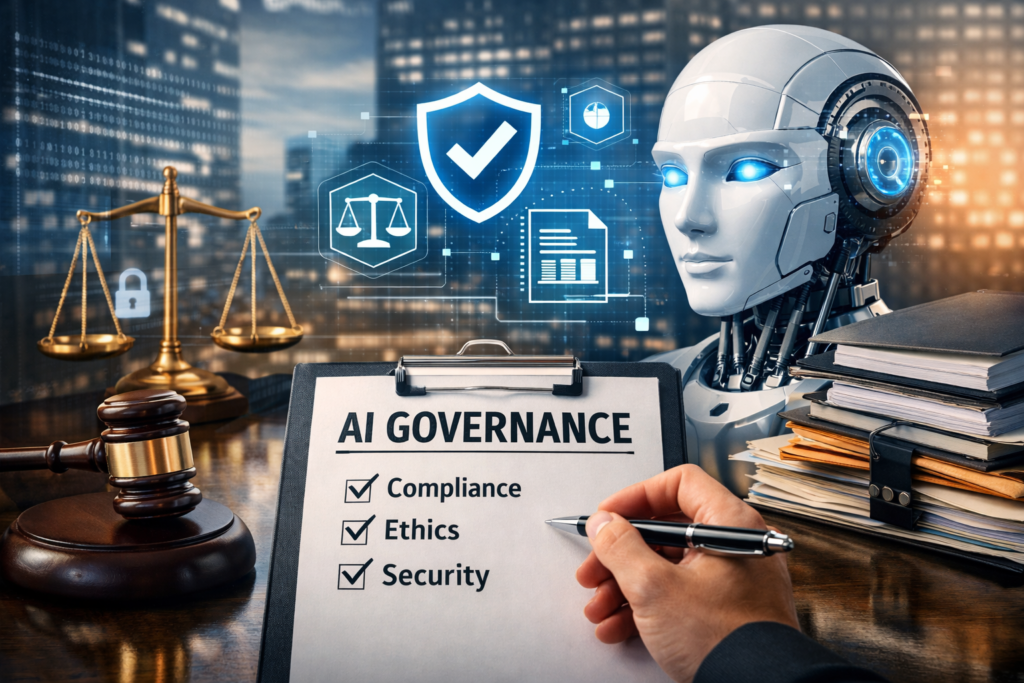
Artificial Intelligence is shaping our world in ways we could have only dreamed of a few decades ago. From automated customer service to predictive analytics, AI has become an integral part of numerous industries. However, as this technology continues to evolve at breakneck speed, so too does the need for robust governance frameworks that ensure its ethical and responsible use.
AI governance is not just a buzzword; it’s a necessity. With great power comes great responsibility, and organisations must navigate complex landscapes of compliance and integrity. Without a solid framework in place, the potential risks associated with AI systems can lead to unintended consequences—ranging from biased algorithms to data breaches.
How do we strike the right balance between innovation and accountability? It starts with understanding what an effective AI governance solution looks like and why it matters now more than ever. Join us on this journey as we explore essential components, learn from real-world examples, tackle challenges head-on, and uncover best practices for creating sustainable AI governance frameworks that stand the test of time.
The Importance of a Robust Framework for AI Governance
A robust framework for AI governance is crucial in today’s tech-driven world. As artificial intelligence continues to infiltrate various sectors, organisations face ethical and legal challenges. Without proper guidance, these challenges could lead to serious repercussions.
Establishing a strong governance structure allows companies to navigate complexities effectively. This includes addressing issues of bias, transparency, and accountability within their AI systems. A well-defined framework promotes trust among users and stakeholders alike.
Moreover, regulatory compliance is becoming increasingly vital as governments implement stricter guidelines for AI usage. Organisations that invest time in developing an effective governance strategy are better equipped to adapt to changing regulations.
Such a proactive approach not only enhances operational efficiency but also safeguards against potential risks associated with the misuse or malfunction of AI technologies. Therefore, prioritising a comprehensive governance framework is essential for long-term success and sustainability in the evolving landscape of artificial intelligence.
Key Components of an Effective AI Governance Framework
A solid AI governance framework rests on several key components. Transparency is paramount. Stakeholders need to understand how algorithms function and the data driving them.
Accountability follows closely behind. Clear lines of responsibility must be established for decisions made by AI systems. This helps mitigate risks associated with automated processes.
Next, ethical considerations play a crucial role. An effective framework incorporates fairness, ensuring that AI applications do not perpetuate biases or discrimination.
Regulatory compliance cannot be overlooked either. Adhering to legal standards protects organisations from potential liabilities while promoting trust in their AI solutions.
Continuous monitoring is essential. Regular audits and assessments help identify issues early on and ensure alignment with both internal policies and external regulations. This proactive approach fosters a culture of integrity within an organisation’s use of AI technology.
Case Studies: AI Governance Success and Failure
Case studies provide valuable insights into the effectiveness of AI governance solutions. One notable success story is Microsoft’s AI ethics framework, which emphasises transparency and accountability. By prioritising ethical guidelines, Microsoft successfully navigated complex regulatory landscapes while fostering trust among users.
Conversely, the infamous incident involving Facebook’s Cambridge Analytica scandal highlights governance failures. The lack of robust oversight led to significant breaches of user privacy and eroded public confidence in the platform. This case serves as a cautionary tale for organisations that neglect proper governance frameworks.
Another example is IBM’s Watson Health initiative, which struggled initially due to insufficient data management protocols. Over time, they adapted their strategies by implementing stricter compliance measures and improving stakeholder engagement.
These contrasting examples illustrate how effective or inadequate governance can shape both public perception and operational success in the realm of artificial intelligence.
Challenges in Implementing and Maintaining AI Governance Frameworks
Implementing and maintaining an AI governance framework presents numerous challenges. Organisations often struggle with the rapid pace of AI development, which can outstrip the established guidelines.
Another significant hurdle is ensuring stakeholder buy-in. Different departments may have varying priorities, making it tough to create a unified approach. Without collaboration across teams, governance efforts can falter.
Data privacy concerns add another layer of complexity. Striking a balance between innovation and compliance with regulations like GDPR requires constant vigilance.
Additionally, the lack of standardised metrics for measuring effectiveness complicates evaluation efforts. Organisations may find it difficult to assess whether their frameworks are truly effective in mitigating risks or enhancing accountability.
Ongoing training and education about AI systems remain essential yet challenging. Keeping staff updated on best practices ensures that everyone understands their role in upholding governance standards.
Best Practices for Developing and Sustaining an AI Governance Framework
Establishing an effective AI governance framework requires a clear strategy. Start by defining roles and responsibilities. Assign specific tasks to team members who understand the intricacies of AI technologies.
Regular training is essential. Keep your teams updated on new regulations, ethical considerations, and technological advancements. This ensures everyone remains aligned with the evolving landscape of AI governance.
Engagement with stakeholders fosters transparency. Encourage open dialogue among developers, users, and regulators to gather diverse perspectives on potential risks and benefits associated with AI systems.
Utilise technology tools for monitoring compliance. Automated solutions can help track performance against established guidelines while identifying areas that require improvement.
Creating a feedback loop enhances resilience. Regularly evaluate your framework’s effectiveness through internal audits and external reviews to adapt as necessary in this fast-paced field.
“Explore the Ultimate Pub Cloud Tech Kit for 2026, unlocking powerful insights, efficient development, and cutting-edge cloud innovations for your projects.”
Frequently Asked Questions (FAQs)
What is an AI governance framework?
An AI governance framework is a set of rules, policies, and processes that guide how organisations design, use, and manage artificial intelligence systems. It helps companies make sure their AI tools are safe, fair, transparent, and used responsibly. A strong framework also ensures that businesses follow legal requirements and protect user data.
Why is AI governance important for businesses?
AI governance is important because it reduces risks linked to artificial intelligence systems. Without proper oversight, AI can create biased results, privacy issues, or security risks. A clear governance framework helps organisations build trust with customers, maintain compliance with regulations, and ensure ethical use of technology.
What are the main goals of AI governance?
The main goals of AI governance include ensuring transparency, accountability, fairness, and compliance with regulations. It also focuses on protecting data privacy and making sure AI systems make reliable and unbiased decisions. Ultimately, the goal is to use AI in a way that benefits both organisations and society.
How does AI governance help prevent bias in AI systems?
AI governance frameworks include guidelines for reviewing data sources, testing algorithms, and monitoring results regularly. These steps help detect and correct biased outcomes before they affect users. Regular audits and diverse data sets also reduce the chances of unfair decisions.
What role does transparency play in AI governance?
Transparency helps people understand how AI systems work and how decisions are made. When companies are open about their AI processes, it builds trust among users and stakeholders. Clear documentation and explainable models are important parts of maintaining transparency.
Who is responsible for implementing AI governance in an organisation?
AI governance usually involves multiple teams, including leadership, compliance officers, data scientists, and IT professionals. Senior management often sets policies, while technical teams ensure that AI systems follow those guidelines during development and deployment.
How can organisations ensure compliance with AI regulations?
Organisations can stay compliant by following government regulations, conducting regular audits, and documenting how their AI systems operate. Many companies also create internal review boards that evaluate AI projects before they are launched.
What are the common risks associated with AI systems?
Some common risks include biased algorithms, misuse of personal data, lack of transparency, and cybersecurity threats. Without proper governance, these risks can harm both businesses and users. A strong framework helps identify and manage these risks early.
How often should AI systems be reviewed or audited?
AI systems should be reviewed regularly, especially when new data or updates are introduced. Many organisations perform audits every few months or at key stages of system development to ensure the AI continues to operate fairly and securely.
What tools can help manage AI governance effectively?
There are various tools available that help monitor AI models, track data usage, and check compliance with policies. These tools can automate reporting, identify unusual behaviour in AI systems, and ensure that organisations follow governance guidelines.
How does AI governance support ethical decision-making?
AI governance frameworks include ethical guidelines that help organisations avoid harmful practices. These guidelines encourage fairness, respect for privacy, and responsible use of data. As a result, businesses can make decisions that benefit both customers and society.
What challenges do companies face when implementing AI governance?
Companies often face challenges such as a lack of expertise, rapidly changing regulations, and difficulty managing large amounts of data. In some cases, different teams may also have conflicting priorities, making it harder to maintain consistent governance practices.
How can small businesses build an effective AI governance framework?
Small businesses can start by creating simple policies that focus on data privacy, transparency, and accountability. They should also train employees on responsible AI use and regularly review their systems to ensure they follow best practices.
What is the future of AI governance?
The future of AI governance will likely involve stricter regulations, improved monitoring tools, and greater collaboration between governments and technology companies. As AI becomes more widely used, governance frameworks will play a key role in ensuring responsible innovation.
How can collaboration improve AI governance frameworks?
Collaboration between businesses, regulators, researchers, and the public helps create stronger governance systems. When different groups share knowledge and experiences, organisations can develop better policies that address real-world challenges and improve trust in AI technologies.
Conclusion: The Role of Collaboration in Ensuring Long-Term Compliance and Integrity of AI Systems
Collaboration is key to fostering a strong foundation for AI governance. When organisations unite with stakeholders—including regulatory bodies, industry leaders, and the public—they can create comprehensive solutions that uphold ethical standards and compliance.
An effective AI governance solution thrives in an environment where diverse perspectives are valued. This collective approach enables businesses to anticipate challenges and address them proactively. Regular dialogue among all parties ensures transparency and builds trust—a crucial element in maintaining integrity within AI systems.
By sharing best practices, tools, and resources, companies can enhance their frameworks while learning from one another’s successes and failures. Collaborative efforts pave the way for continuous improvement in how we govern artificial intelligence technologies.
As technology rapidly evolves, so must our strategies for managing it. A robust framework supported by collaboration will ensure that AI systems remain compliant with ever-changing regulations while upholding ethical principles over the long term. Embracing this collaborative spirit not only strengthens individual organisations but also contributes to a responsible future for artificial intelligence as a whole.
Disclaimer:
“This article is for educational purposes only. It provides general information about AI governance frameworks and compliance. It does not offer personal advice. Readers should assess risks and consult qualified professionals before implementing AI systems.”
