
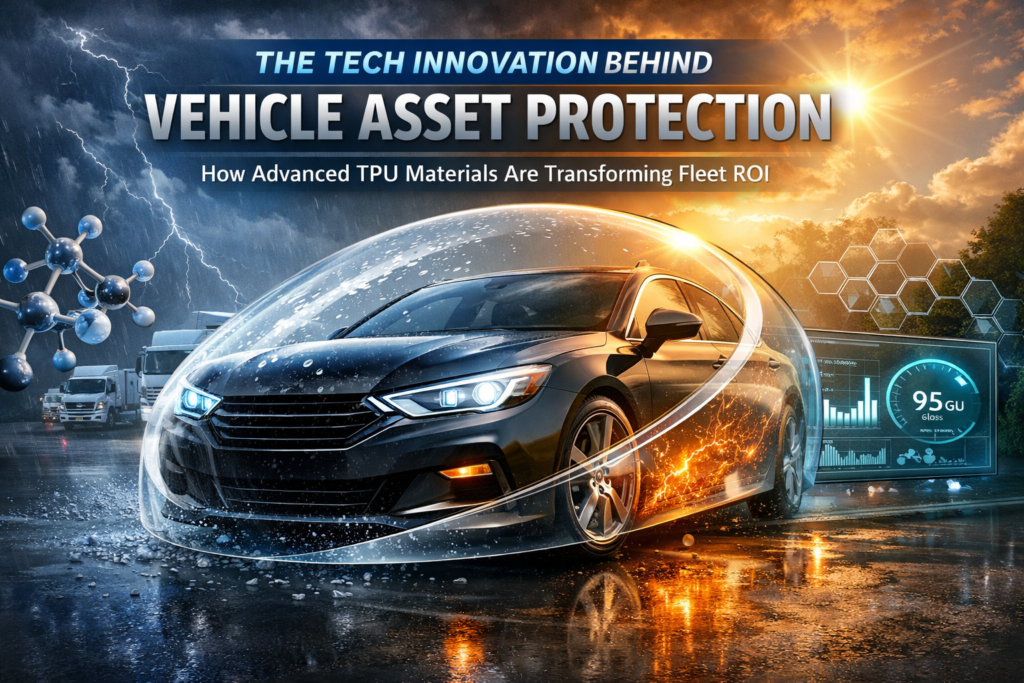
For modern startups and commercial fleet operators, managing physical assets requires moving beyond outdated maintenance routines. Vehicles represent a massive capital expenditure, and their rapid degradation directly erodes a company’s bottom line.
Today, preserving these assets is no longer just about operational logistics; it is fundamentally a material science challenge. By leveraging cutting-edge polymer engineering, businesses can now drastically alter the lifecycle and residual value of their commercial fleets.
The Intersection of Material Science and Business Operations
Beyond Traditional Maintenance: The Shift to Tech-Driven Asset Protection
Commercial fleets and luxury executive vehicles endure severe environmental stress daily. Historically, mitigating this wear and tear relied on frequent, labor-intensive cleaning and temporary chemical sealants.
These traditional maintenance methods are highly inefficient. They incur compounding labor costs, force vehicles into excessive downtime, and ultimately fail to prevent physical damage to the exterior.
To meet modern demands for ROI and operational efficiency, the industry has pivoted toward high-tech, permanent physical barriers. Advanced material science now offers solutions that actively protect the asset while virtually eliminating the need for constant cosmetic upkeep.
Thermoplastic Polyurethane (TPU) and Nanotechnology in Auto Tech
Cross-Linking Polymers and Optical Clarity Data
When evaluating modern vehicle shielding technology, the transition to high-grade aliphatic TPU has been a massive leap for the industry. Leading global manufacturers are now utilizing dense cross-linked nanomaterials to ensure unparalleled optical clarity and extreme durability.
For instance, specialized poly-optical coatings from innovators like ClearPro demonstrate how advanced material engineering can achieve a 95 GU gloss rating, completely eliminating the “orange peel” effect while offering supreme protection against environmental hazards.
Unlike older PVC-based plastics that degrade and yellow under UV exposure, modern aliphatic TPU maintains exceptional molecular stability. This engineered resilience ensures the asset retains a flawless, factory-grade aesthetic without compromising its protective structural integrity.
Core Tech Features: Reducing Operational Downtime
Thermal Self-Healing Mechanisms
One of the most disruptive innovations in modern fleet protection is the elastomeric memory of advanced TPU. These intelligent topcoats are engineered to physically reverse microscopic damage when exposed to ambient heat.
This thermal self-healing capability translates directly to enhanced business operations:
- Micro-scratch eradication: Heat from the engine or the sun forces polymer chains to reorganize, erasing physical abrasions.
- Elimination of mechanical polishing: Fleets no longer require expensive, abrasive machine corrections to maintain their appearance.
- Reduced maintenance downtime: Vehicles spend more time on the road generating revenue rather than sitting in detailing bays.
Hydrophobic Angles and Maintenance Cost Reduction
Surface tension engineering is another critical factor in reducing ongoing operational expenditures. By manipulating the topcoat at the nano-level, manufacturers drastically improve the material’s liquid repellency.
Advanced films featuring a 105° hydrophobic angle force water, oils, and chemical contaminants to bead up and roll off instantly.
This self-cleaning mechanism offers distinct financial advantages for fleet managers:
- Lower chemical consumption: Dirt and grime cannot bond to the surface, reducing the need for harsh industrial cleaners.
- Decreased labor costs: Washing cycles become significantly faster and less frequent.
- Prevention of permanent etching: The impenetrable barrier blocks acidic bird droppings and hard water minerals from degrading the paint.
The Financial Impact: ROI for Startups and Commercial Fleets
Preserving Factory Paint for Maximum Trade-in Value
For startups and commercial fleet operators, vehicle depreciation is a significant line item on the balance sheet. According to financial experts analyzing asset depreciation, preserving the original factory paint is one of the most effective strategies to retain a vehicle’s worth over time.
Investing in high-tech shielding solutions is not merely an aesthetic choice; it is a calculated business move to maximize a vehicle’s trade-in value and improve the overall return on investment.
When a vehicle is liquidated or upgraded, intact original paint yields vastly higher valuations than aftermarket resprays. Readers looking to optimize their corporate expenditures can learn more about strategic asset management in our guide on innovative business operations and cost reduction strategies.
The Future of Auto-Tech and Sustainable Materials
As startups increasingly prioritize ESG (Environmental, Social, and Governance) goals, sustainable lifecycle management becomes paramount. Advanced TPU films align perfectly with these green initiatives due to their extended lifespans.
By protecting the vehicle for up to a decade, these materials drastically reduce the chemical runoff and water waste associated with constant fleet washing.
Furthermore, reducing the frequency of repainting minimizes the release of harmful VOCs into the atmosphere. For more insights on how startups are integrating sustainable practices, explore our latest coverage on tech innovation and green business models.
“Discover the latest breakthroughs in Quantum Computing 2024 that promise to revolutionize technology, accelerate innovation, and change everything forever.”
Frequently Asked Questions (FAQs)
What is vehicle asset protection, and why is it important?
Vehicle asset protection means keeping your vehicles safe from damage, wear, and environmental impact. It helps businesses save money by reducing repairs and keeping vehicles in better condition for longer.
How does TPU help in vehicle asset protection?
TPU (Thermoplastic Polyurethane) creates a strong, flexible layer over the vehicle’s surface. It protects against scratches, chips, and harsh weather without affecting the car’s original look.
What makes TPU better than traditional protection methods?
Unlike wax or sealants, TPU films last much longer and provide real physical protection. They don’t wear off quickly and require less frequent maintenance.
Does TPU protection really reduce maintenance costs?
Yes, TPU reduces the need for regular polishing, repainting, and heavy cleaning. This lowers both labor costs and the use of expensive cleaning chemicals.
What is self-healing technology in TPU films?
Self-healing means small scratches disappear on their own when exposed to heat, like sunlight. The material repairs itself, keeping the surface smooth.
How long does TPU protection last on a vehicle?
High-quality TPU films can last up to 8–10 years, depending on usage and environmental conditions.
Can TPU protect vehicles from UV damage?
Yes, TPU films are designed to resist UV rays, which helps prevent fading, discoloration, and damage to the original paint.
Is TPU suitable for commercial fleets?
Absolutely. TPU is ideal for fleets because it reduces downtime, keeps vehicles looking new, and protects long-term value.
Does TPU affect the appearance of a vehicle?
No, modern TPU films are highly transparent and maintain a glossy, factory-finish look without any visible distortion.
What isa hydrophobic coating in TPU films?
A hydrophobic surface repels water, dirt, and oil. This makes vehicles easier to clean and keeps them looking cleaner for longer.
Can TPU prevent paint damage completely?
It offers strong protection against most everyday damage, like scratches, stone chips, and stains, but it may not stop very heavy impacts.
Is TPU an eco-friendly solution for vehicle protection?
Yes, because it reduces the need for repainting and frequent washing, which lowers chemical use and water waste.
How does TPU improve fleet ROI?
By lowering maintenance costs, reducing downtime, and preserving resale value, TPU helps businesses get better returns from their vehicles.
Is TPU film easy to install and remove?
It should be installed by professionals for best results, but it can be safely removed without damaging the original paint.
What should businesses consider before investing in TPU protection?
They should look at film quality, warranty, installation expertise, and long-term savings to make the best decision for their fleet.
Conclusion
In today’s competitive market, vehicle asset protection is no longer optional—it’s a smart investment. Advanced TPU technology helps businesses reduce costs, protect vehicle value, and improve long-term ROI. By adopting these innovations, fleets can stay efficient, sustainable, and future-ready.
Disclaimer:
“This content is for informational purposes only and does not constitute professional or financial advice. Results may vary based on usage and conditions. Always consult qualified experts before making decisions regarding vehicle protection or fleet investments.”